
The Annapurna Trek is one of the most popular trekking trips in Nepal. It takes you through beautiful villages, green forests, rivers, and high mountain passes. The trek is in the Annapurna area of north-central Nepal and gives amazing views of snowy peaks like Annapurna I, Machhapuchhre, Dhaulagiri, and Hiunchuli. Many people visit because the trails are beautiful, the local culture is rich, and the journey is full of new experiences.

Annapurna Treks
Showing 5 Package(s)
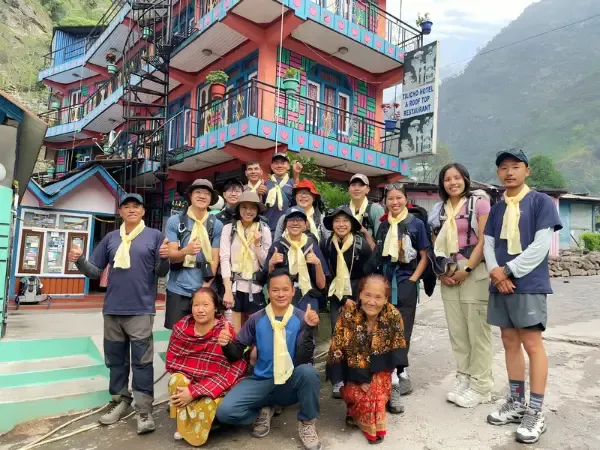
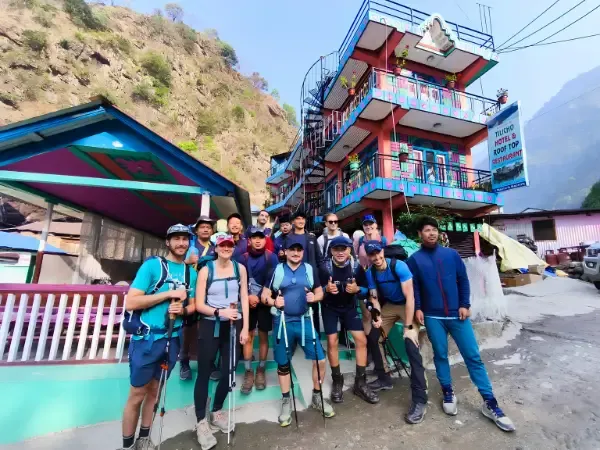
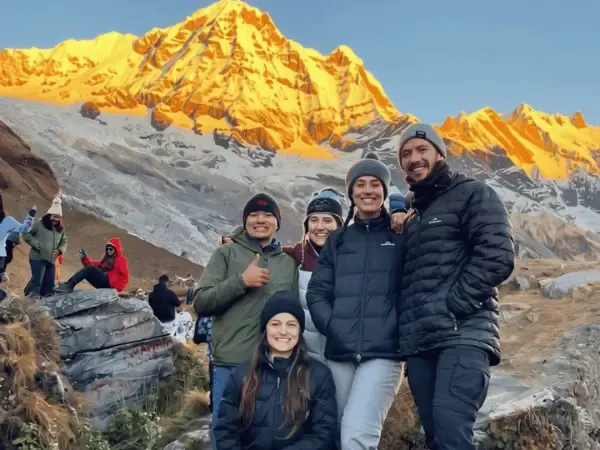

The Annapurna Trek is popular partly because there is no single route to choose from. Trekkers can pick a journey that suits their time, fitness, and interests. The Annapurna Base Camp Trek and Annapurna Circuit Trek are two of the best-known options. Along the trail, you will pass through traditional villages, meet friendly local people, and enjoy quiet mountain landscapes. The scenery changes almost every day, which keeps the journey interesting from beginning to end.
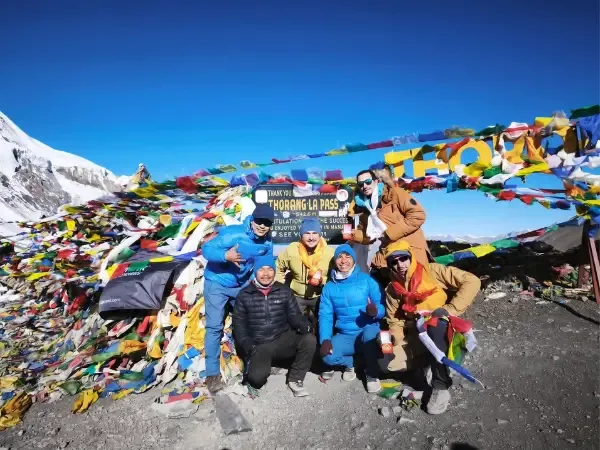
Spring and autumn are generally the best seasons for trekking in the Annapurna region. During these months, the weather is often stable, skies are clearer, and the mountain views are usually excellent. Depending on the route, an Annapurna trek can take anywhere from about 5 to 14 days. On the Annapurna Circuit, the trail reaches its highest point at Thorong La Pass, which stands at 5,416 meters.
The difficulty varies from one route to another. Most Annapurna treks are considered moderate to challenging, so a reasonable level of fitness is helpful. That does not mean you need to be an experienced mountaineer. Many first-time trekkers complete these routes by preparing beforehand, walking at a steady pace, and allowing enough time for their bodies to adjust to higher elevations.
Before setting off, make sure you have the required trekking permits. Most routes have tea houses along the way, where trekkers can find a simple room and a hot meal after a long day of walking. Dal bhat is a common choice, but you will also find noodles, soup, rice, eggs, and tea. Food options become more limited as you climb, so eating enough and staying hydrated can make a noticeable difference.
Altitude is another part of the trek that should not be taken lightly. As you gain height, walk slowly and give your body time to adjust. If you start feeling unwell, especially with symptoms that may indicate altitude sickness, do not simply push ahead because you have a planned itinerary.
Good preparation makes the experience much easier. Regular walking or hiking before the trip can help build endurance, while warm clothing and comfortable, well-tested boots will be useful on the trail. With sensible planning and a steady approach, the Annapurna region can be an enjoyable adventure for families, groups of friends, and independent trekkers alike.
Need Help? Call Us+977 9845949214