
Trekking in Nepal is a great way to explore the beautiful Himalayas, peaceful villages, forests, rivers, and mountain views. Famous trekking routes like Everest, Annapurna, Langtang, and Manaslu offer unique experiences for every traveller. Spring and autumn are the best seasons because of clear weather and comfortable trails. With good planning, proper gear, and simple tea houses along the way, trekking is safe and enjoyable. Whether you are a beginner or an experienced hiker, Nepal trekking offers unforgettable adventures, rich local culture, and lasting memories.

Treks in Nepal
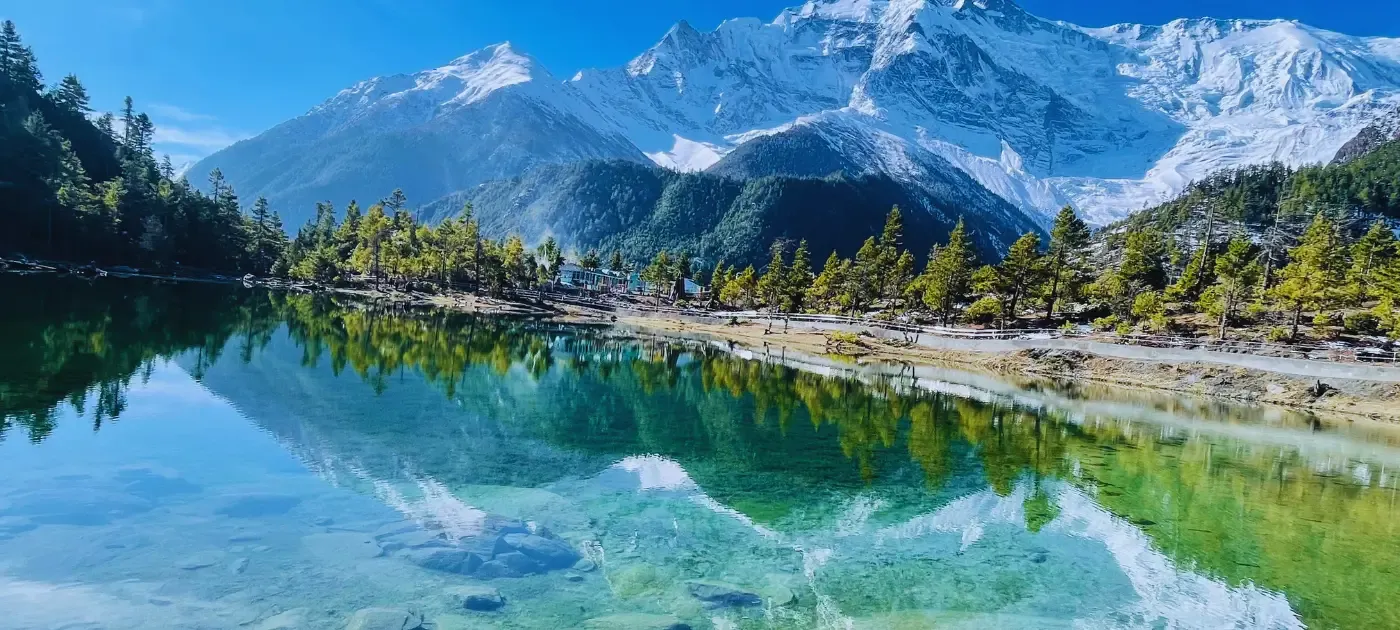
Regions
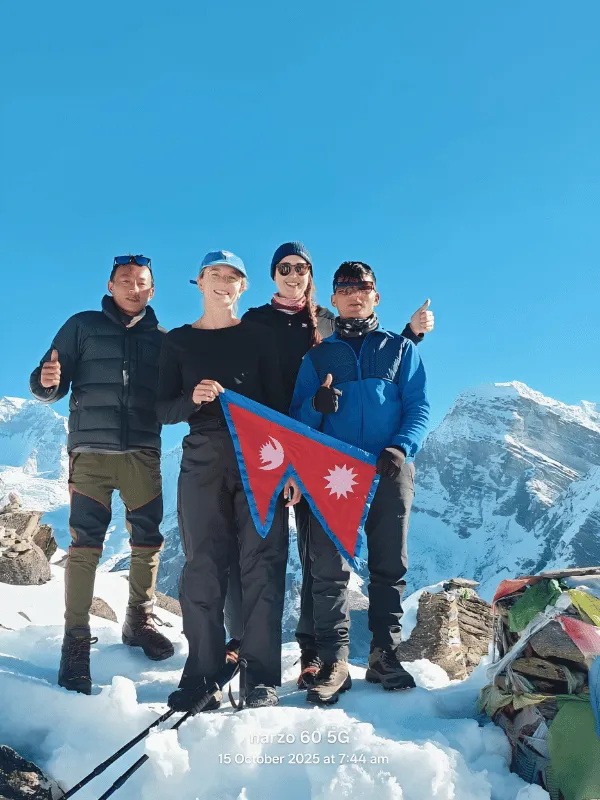
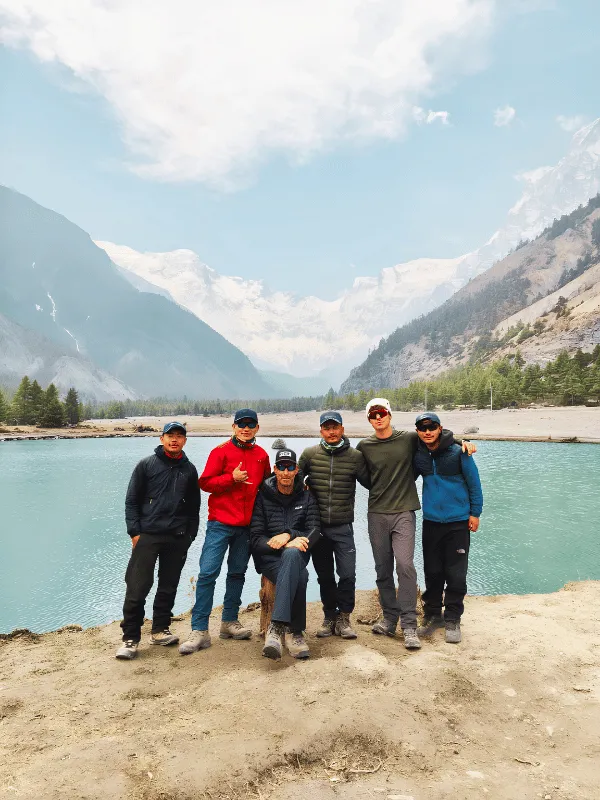
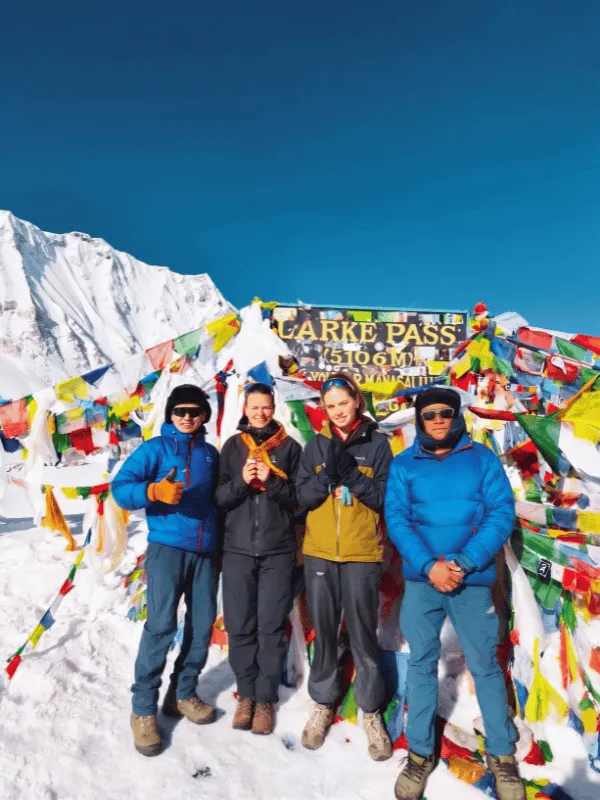
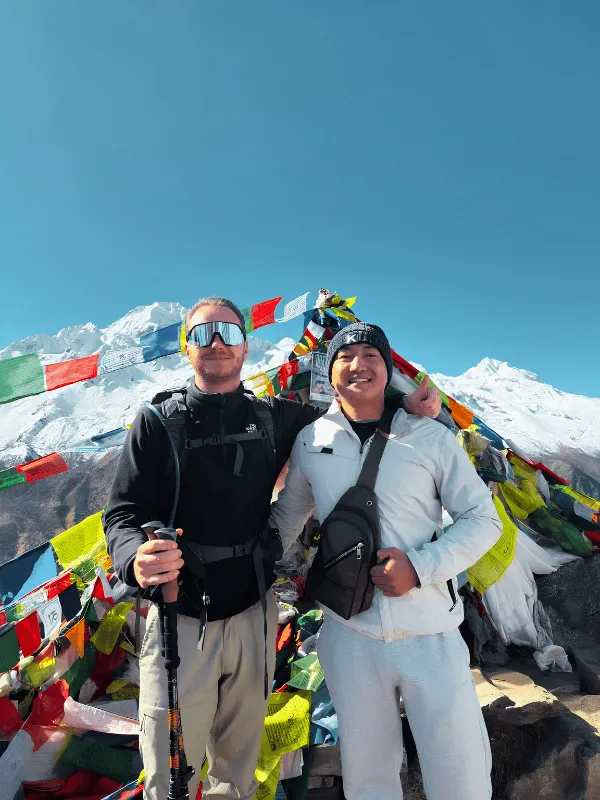
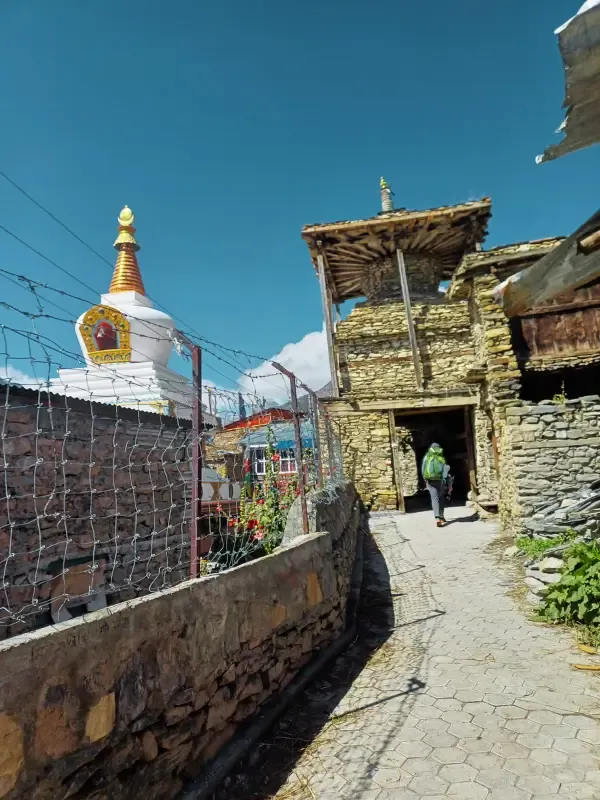
Trekking in Nepal means going on world-renowned trips that take travelers through the Himalayan mountains along some of the popular trekking trails in Nepal. Routes like Everest Base Camp, Annapurna Circuit, Langtang Valley, Manaslu Circuit, and many more. Trekkers come from around the world to enjoy majestic mountain views, experience rich ethnic cultures, meet local communities, and explore mountain terrain.
Mostly trekkers typically begin their trips with a flight or drive to a remote trailhead before continuing the trek through rhododendron forests, diverse landscapes, small charming villages, farmland, and rocky mountain trails. On the way, trekkers stay in local teahouses, visit ancient stupas and monasteries, and enjoy the fresh mountain air direct from the mountain. Trails involve steep ascents, long descents, physical fatigue, and unstable mountain weather.
As trekkers climb higher in the Himalayan mountains, the air becomes thinner, and it gets colder. Popular trails like the ones with teahouses in areas of Nepal may need camping. While most of the popular trekking routes have local teahouses, some remote trails need camping. Give yourself enough time for your body to acclimatize to the high altitude. Trekking in Nepal requires planning and preparation to ensure a safe and enjoyable trip.
The Nepal Tourism Board and Trekking Agencies Association of Nepal (TAAN) provide important tourism and industry guidance. Foreign trekkers need an E-TIMS card and a government-licensed guide under Nepal’s “No Guide, No Trek” policy of Nepal. Trekkers should also respect local traditions, follow the Leave No Trace principle, manage waste responsibly, and help to protect nature.
Need Help? Call Us+977 9845949214