
Everest Trek is one of the most popular trekking adventures in Nepal. It takes visitors through beautiful mountain trails, friendly villages, and amazing natural landscapes. Many people dream of seeing Mount Everest, the highest mountain on Earth, with their own eyes. This journey offers fresh air, peaceful forests, and rich local culture. Everest Trek is perfect for people who love nature, walking, and learning about mountain life in a simple and exciting way.

Everest Treks
Showing 2 Package(s)
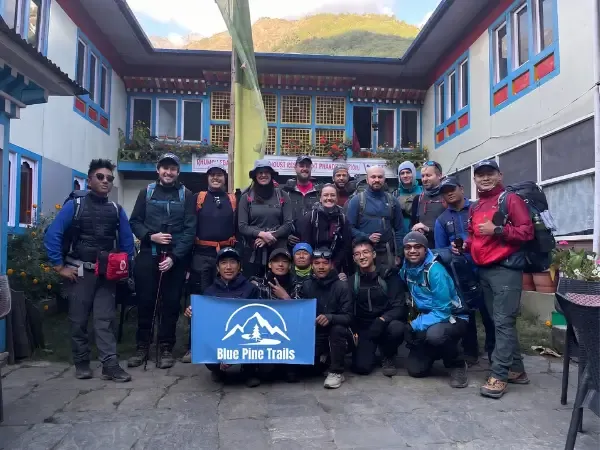
The Everest region, also called Khumbu, is located in northeastern Nepal, in Solukhumbu District. This region is home to Mount Everest, the world’s highest mountain at 8,849 meters, and other majestic peaks of the Himalayas. This region is famous for its stunning natural landscapes and rich Sherpa culture. It is a popular destination for trekking and mountaineering
Most trekkers begin their journey with a flight to Lukla. The trail takes you through mountain forests and traditional villages inhabited by Sherpa communities. You will stop to rest in Namche Bazaar to allow your body to adjust to the thinner air at higher elevations. This process is known as acclimatization and helps your body adjust to high altitude and reduce the risk of altitude sickness. Along the trail, you can visit ancient monasteries and enjoy spectacular views of glaciers, valleys, and snow-capped Himalayas.
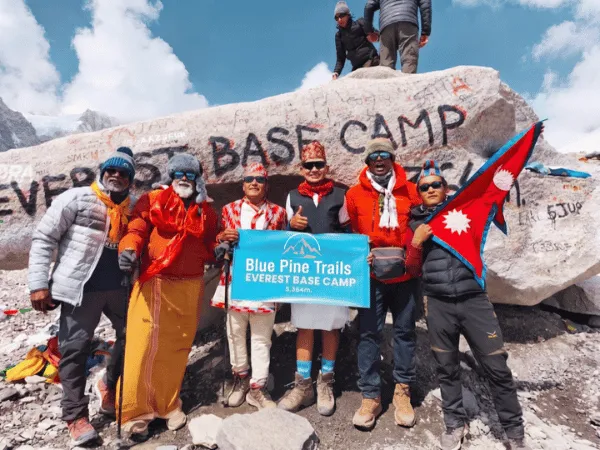
The Everest Region is home to Everest Base Camp, which is at the elevation of 5,364 meters high, and the trail passes through Sagarmatha National Park, a UNESCO World Heritage Site recognized for its really amazing mountain landscapes and its rich biodiversity. The climate changes from moist mountain forests to cold alpine terrain and glacial environments.
Popular trekking destinations include Namche Bazaar, Tengboche, Dingboche, Gokyo Lakes, and Everest Base Camp. Depending on your route, you can also explore other popular trekking destinations, such as Kala Patthar and the Everest Three Passes, depending on your trekking route. As you climb higher, the air becomes thinner and contains less available oxygen, so it is very important to allow enough time to rest and acclimatize to the increasing altitude.
Trekking in this region can be challenging because of the high altitude and because mountain weather can change quickly and unpredictably, so maintain a steady pace and allow enough time for acclimatization, and always hire a local guide who knows the area well. Before starting your trek, you need to obtain the right permits for the Everest region, follow local trekking rules, avoid leaving plastic waste behind, and respect the Buddhist culture of the Sherpa people. These responsible practices can help you trek more safely while protecting the mountains of the Everest region.
Need Help? Call Us+977 9845949214