
The Mustang Trek is a famous trekking trip in Nepal with amazing mountain views and rich local culture. It takes visitors into Upper Mustang, a dry valley with old villages, beautiful monasteries, and peaceful trails.
Mustang Treks
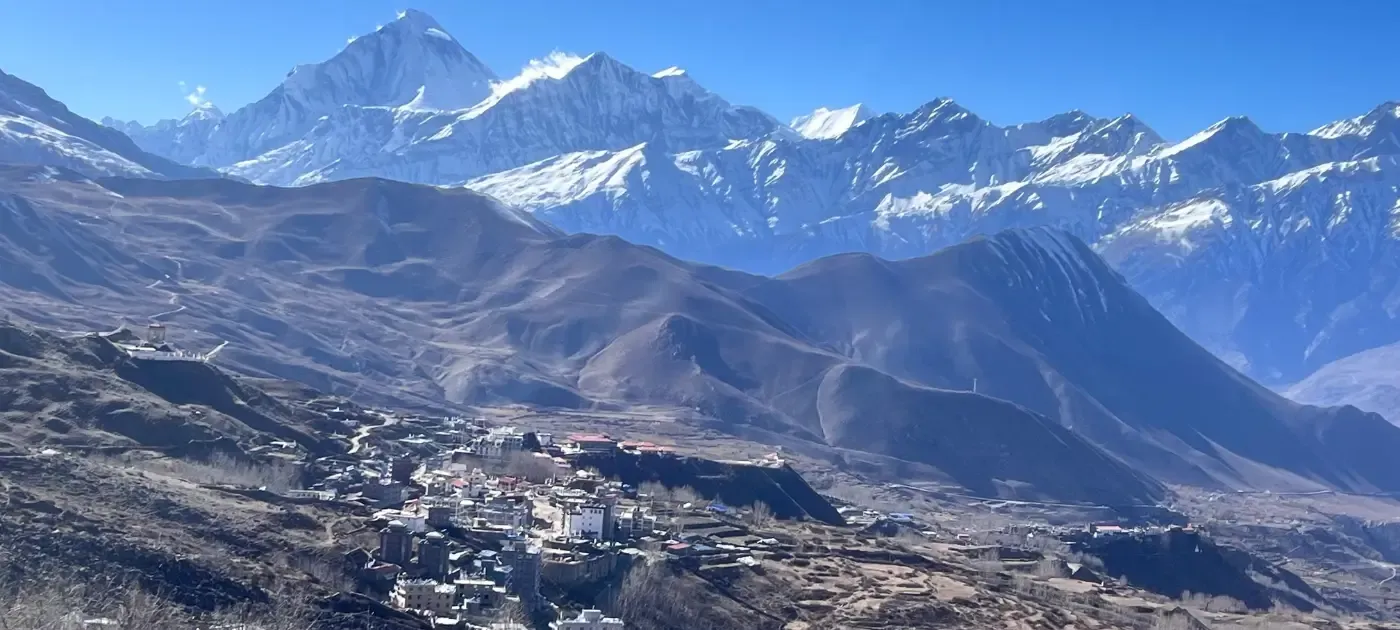
The Mustang Trek takes you into one of the most distinctive regions of Nepal, in the northern part of the country near the Tibetan border. Unlike the greener trekking areas of Nepal, Mustang is known for its dry valleys, rocky hills, colorful cliffs, and wide open spaces. The region also has a strong cultural identity, with ancient villages, monasteries, and traditions that have been preserved for generations.
What makes trekking in Mustang especially interesting is the combination of nature and local culture. The trail passes through traditional villages where you can meet local families and get a glimpse of daily life in this remote Himalayan region. Along the way, you may visit old monasteries and historic sites influenced by Tibetan culture. The surroundings can feel quiet and remote, which is part of the appeal of the Mustang Trek.
Best Time for Mustang Trek
Spring and autumn are generally the best seasons for the Mustang Trek. During these months, the weather is usually more stable, with clearer skies and better mountain views. The dry climate also makes walking more comfortable than during periods of heavy rain or poor weather.
The Mustang region is suitable for trekkers who have a reasonable level of fitness. You do not need to be an experienced mountaineer, but regular walking or hiking before the trip can make the journey much easier. Some days involve longer walks and climbs, so maintaining a steady pace is more useful than trying to walk quickly.
Mustang Trek Permits
Upper Mustang is a protected area, and trekkers need the required permits before entering. Permit requirements and fees can change, so check the latest rules before your trip. It is also worth making sure that your trekking arrangements include the permits and other necessary paperwork before you leave.
Because the region is remote, planning ahead matters. Accommodation and services are more limited in some villages than in popular trekking areas such as the Annapurna region. A little preparation can save you from unnecessary problems once you are on the trail.
What to Expect on the Trail
The scenery changes as you move through Mustang. One day might take you along a rocky trail above a valley, while another brings you into a small village with traditional houses and an old monastery. The wide, open terrain gives the trek a different feel from forested routes elsewhere in Nepal.
Most Mustang Trek itineraries take several days, depending on the route, transportation, walking distance, and pace. Good walking shoes are essential, while warm layers are useful because temperatures can change quickly at higher elevations. Carry enough water and drink regularly throughout the day. As you gain altitude, walking slowly gives your body more time to adjust.
Who Can Do the Mustang Trek?
The Mustang Trek can suit different types of trekkers. Beginners with good preparation can enjoy the journey, while experienced hikers often appreciate the quieter trails, unusual scenery, and strong local culture. Families with older children may also consider the trek if everyone is comfortable with the walking distance and altitude.
You do not need to rush through Mustang. Taking time to enjoy the villages, scenery, and cultural sites is one of the best parts of the experience.
Experience the Mustang Trek
The Mustang Trek offers a chance to explore a part of Nepal that feels very different from many of the country's other trekking destinations. Ancient monasteries, traditional villages, mountain views, and open Himalayan valleys all form part of the journey.
Respect for local customs is especially important when visiting villages and religious sites. With the right permits, suitable clothing, comfortable footwear, and sensible preparation, you can enjoy a rewarding trek through Upper Mustang and experience its unique natural and cultural character.
Need Help? Call Us+977 9845949214